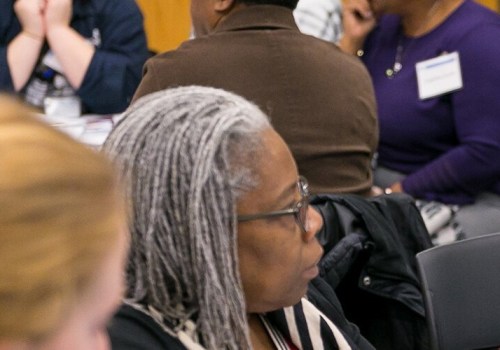
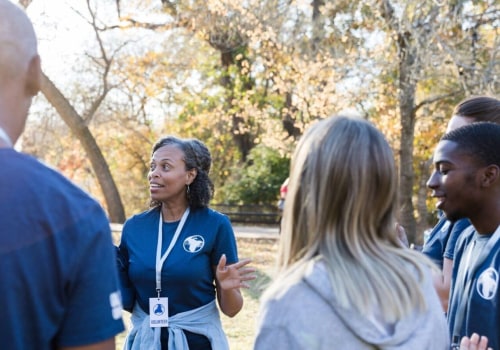
Water purification awareness plays a vital role in supporting the mission and impact of nonprofits across Washtenaw County. These organizations often work closely with diverse communities, including underserved populations, families, and individuals who may face challenges in accessing clean and safe water. While the region benefits from established infrastructure, awareness of water quality, filtration methods, and potential contaminants remains essential. Nonprofits are uniquely positioned to educate communities, advocate for healthier practices, and ensure that residents understand the importance of maintaining safe water for daily use. By prioritizing this awareness, they contribute directly to public health and overall well-being.
Addressing Hidden Water Quality Concerns
Many people assume that water from taps is always safe, but there can be underlying issues that are not immediately visible. Contaminants such as lead, chlorine byproducts, and other impurities can affect both health and quality of life over time. Nonprofits in Washtenaw County often serve as a bridge between technical information and community understanding, helping residents recognize potential risks and take proactive steps. Educational programs, workshops, and outreach initiatives can empower individuals to test their water, explore filtration options, and make informed decisions about their household consumption.
Supporting Vulnerable Populations
Water purification awareness is especially important for vulnerable groups, including children, the elderly, and low-income households. These populations may be more susceptible to the effects of contaminated water and may also have limited access to resources that address the issue. Nonprofits can play a critical role in providing assistance, whether through distributing filtration systems, offering guidance, or connecting residents with trusted service providers. Partnerships with experts like Water Purification Specialists - Troy, MI can further strengthen these efforts by ensuring that solutions are both reliable and accessible to those who need them most.
Enhancing Community Programs and Services
Incorporating water purification awareness into nonprofit programs can enhance the effectiveness of their broader initiatives. For example, organizations focused on health, housing, or education can integrate water safety education into their existing services. This holistic approach ensures that community members not only receive support in one area but also gain knowledge that benefits their overall quality of life. By addressing water quality alongside other essential needs, nonprofits can create more comprehensive and impactful programs.
Promoting Environmental Responsibility
Beyond individual health, water purification awareness also contributes to environmental sustainability. Nonprofits can encourage practices that reduce pollution, conserve resources, and protect local water sources. By educating communities about proper waste disposal, reducing chemical runoff, and supporting sustainable water management, they help preserve the natural environment of Washtenaw County. This not only benefits current residents but also ensures that future generations have access to clean and reliable water sources.
Building Stronger, Healthier Communities
Ultimately, raising awareness about water purification is a powerful way for nonprofits to strengthen the communities they serve. Clean water is a fundamental necessity, and ensuring access to it supports every aspect of daily life, from health and education to economic stability. By educating residents, supporting vulnerable populations, and promoting sustainable practices, nonprofits in Washtenaw County can make a lasting impact. Through collaboration, outreach, and a commitment to public health, they help create communities where everyone has the knowledge and resources needed to maintain safe and clean water in their homes.